
Lauryn Hill's 'Diaspora Calling!' Festival Expands to UK: The Festival Globalization Model
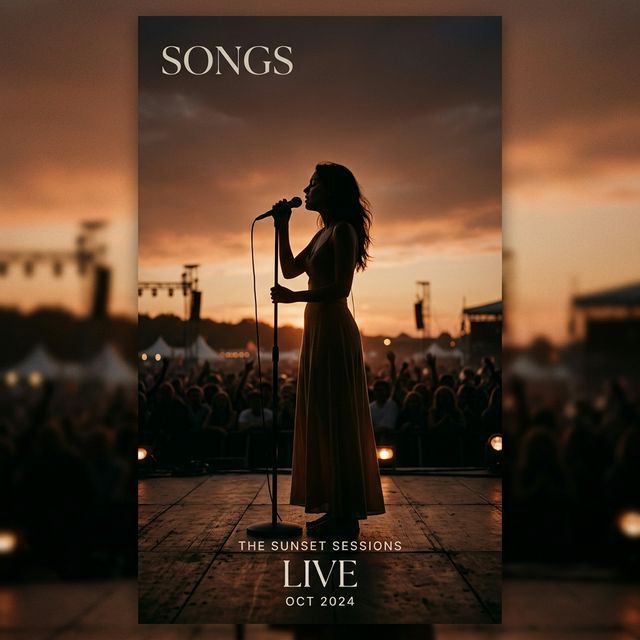
The International Festival Play
Lauryn Hill's 'Diaspora Calling!' festival is officially crossing the Atlantic, with a confirmed 2026 United Kingdom edition featuring Wyclef Jean and a yet-to-be-announced lineup that sources describe as 'earth-shattering.' This isn't simply a touring expansion, it's the scaling of an artist-owned entertainment brand into what could become one of the most valuable festival intellectual properties in global live music.
The economics of artist-owned festivals have fundamentally changed the wealth calculus for legacy musicians. When an artist like Lauryn Hill headlines a third-party festival (e.g., Glastonbury, Coachella), she commands an appearance fee of approximately $2-5 million. When she headlines her own festival, she captures the entire revenue stack: ticket sales, sponsorship revenue, merchandise, food and beverage concessions, and, critically, the brand equity appreciation of the festival IP itself. The margins are incomparably superior.
Festival Globalization Economics
- The UK Festival Premium: The United Kingdom remains the single most lucrative festival market per square meter in the world. Average UK festival ticket prices have exceeded £280 in 2026, and the institutional support from local councils and tourism boards provides substantial infrastructure subsidies.
- Catalog Resurrection Effect: Every artist who performs at a festival experiences a 200-400% streaming spike in the host country for 2-3 weeks. For Lauryn Hill, whose 'Miseducation' catalog generates approximately $3-5M in annual mechanicals, a UK festival ensures that number grows substantially through sheer exposure.
Own The Platform, Own The Revenue
The lesson for every independent artist is unmistakable: stop renting stages and start owning them. By building 'Diaspora Calling!' into a global, recurring entertainment brand, Lauryn Hill has created an asset that appreciates in value annually, regardless of whether she releases new music. The festival itself becomes the product. This is the future of artist wealth creation.