
Why Does Bass Disappear on Phone Speakers? A Technical Mixing Solution
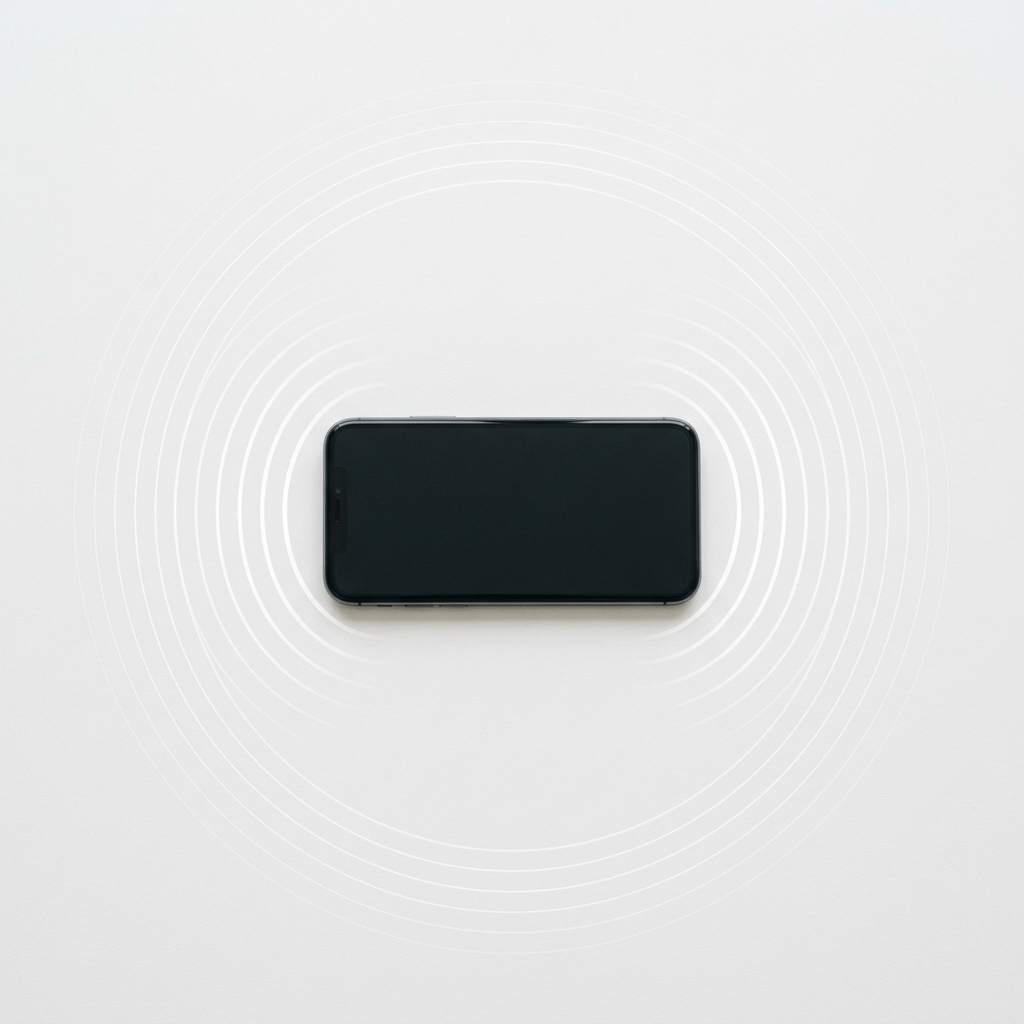
Your Bass is Vanishing
On 70% of All Devices
You've created a phenomenal mix. The bass is earth-shattering on your studio monitors. It sounds great in the car. Then you play it through your iPhone, and the bass groove completely disappears. This doesn't make you a bad producer; it is the brutal reality of physics. But there is a solution. Here is the 4-step protocol WBBT engineers use on every single mix.
Why Do Phone Speakers Kill Sub-Frequencies?
The frequency response of a typical modern smartphone speaker rolls off sharply below 200-250Hz. An aggressively sculpted sub-bass groove at 40-60Hz physically cannot exist on these devices. The speaker cone is simply too small to move enough air. This isn't a mixing problem, it's a physics problem.
However, the human brain has an extraordinary capability known as the "missing fundamental illusion." If you present the upper harmonic overtones of a bass note (the 2nd harmonic at 80Hz, 3rd at 120Hz, 4th at 160Hz), the brain will psychoacoustically "hear" the fundamental frequency even when it is physically absent. This is the entire foundation of making bass translate on small speakers.
The WBBT 4-Step Bass Translation Protocol
Step-by-Step Technical Execution
Step 1: Harmonic Saturation
Apply gentle saturation (Decapitator, Saturn 2, or the free Camel Crusher) directly to your bass channel. This generates upper harmonics that phone speakers CAN reproduce. Drive the saturation so it introduces harmonics in the 100-300Hz range without destroying the sub foundation.
Step 2: Parallel Processing
Duplicate your bass track. High-pass filter the copy at 150Hz and apply heavy saturation/distortion. Blend this "brightness layer" underneath your original clean bass. You now have both the massive sub weight AND the harmonic presence.
Step 3: Multiband Compression
Using FabFilter Pro-MB or OTT, compress ONLY the 80-200Hz range with a 3:1 ratio. This ensures the harmonics generated in Step 1 remain consistent and audible throughout the entire track, never dipping below the mix.
Step 4: The Reference Check
Bounce your mix and play it through your phone speaker. If the bass groove is still fully perceivable, you succeeded. If it vanished, increase the saturation amount from Step 1 and try again.
WBBT Mastering Standards
- Target LUFS: -14 LUFS for streaming, -9 LUFS for club masters.
- True Peak: Never exceed -1.0 dBTP.
- Sub-Bass Phase: Check everything below 120Hz in mono prior to delivery.
- Harmonic Content: Verify bass harmonics extend to at least 200Hz for mobile translation.
Elevate Your Mix to Professional Standards
LANDR's AI mastering engine automatically applies these harmonic saturation principles and translates your mix optimally across all devices. Take advantage of WBBT's discounted partner access.
UNLOCK 20% OFF LANDR STUDIO"A mix that sounds incredible on studio monitors but disappears on a phone is mathematically disqualified from the 2026 algorithmic race."
Music Distribution →
Get on Spotify, Apple Music, YouTube, Beatport & all major stores